

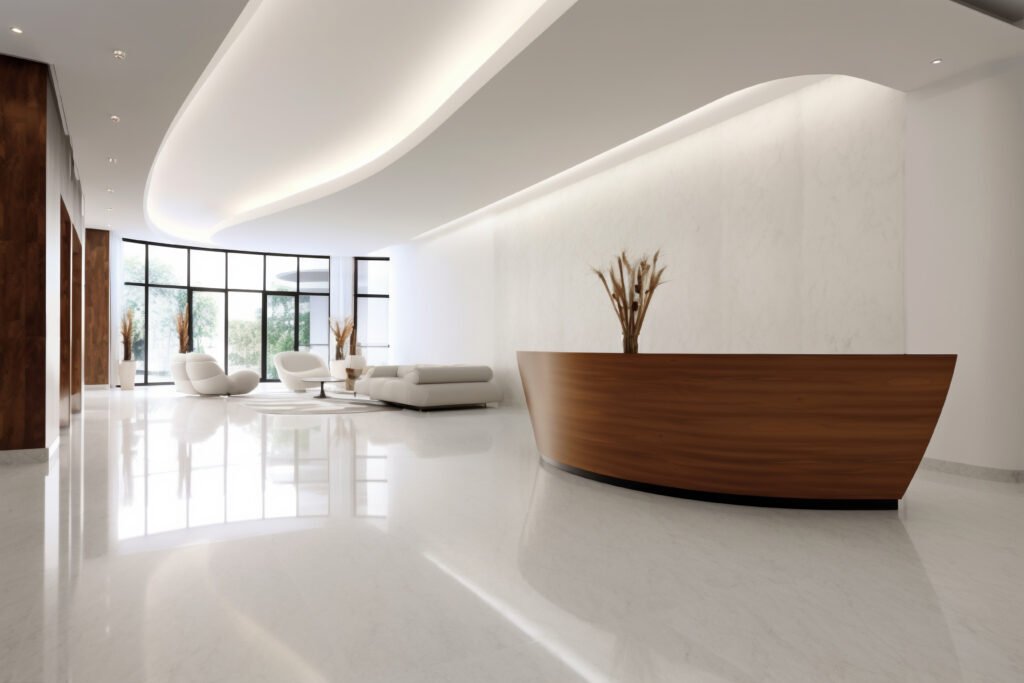
If you’re considering epoxy flooring for a home, garage, or commercial space in Melbourne, a common question is whether it’s waterproof. The answer is yes, epoxy flooring is highly water-resistant and, when installed correctly, provides excellent protection against moisture and spills.
Is Epoxy Flooring Truly Waterproof?
Epoxy flooring creates a seamless, non-porous surface once cured. Unlike tiles, timber, or carpet, there are no grout lines or gaps where water can seep through. This makes epoxy flooring extremely resistant to water penetration on the surface.
However, an important detail many people miss:
- Epoxy flooring is waterproof on top
- But the substrate (usually concrete) must be properly prepared and sealed
If moisture rises from beneath untreated concrete, it can affect adhesion. This is why professional installation matters, especially in Melbourne’s climate.
Why Waterproof Flooring Matters in Melbourne
Melbourne properties face unique challenges:
- Sudden weather changes
- High humidity in some seasons
- Damp garages and basements
- Commercial spaces with frequent cleaning
Epoxy flooring handles these conditions well because:
- It does not absorb water
- It resists mould and mildew
- It’s easy to clean and dries quickly
- It prevents long-term moisture damage to the floor
How Professionals Make Epoxy Flooring Waterproof
Achieving a truly waterproof and long-lasting epoxy floor is not just about applying a coating. Professional epoxy flooring installation follows a precise, multi-step process designed to protect the floor from moisture and ensure strong adhesion, especially important in Melbourne’s variable climate.
Here’s how professionals do it:
1. Moisture Testing of Concrete
Before installation begins, professionals test the concrete slab for hidden moisture. Excess moisture rising from beneath the surface can cause epoxy to bubble or peel over time. Moisture testing helps determine whether additional treatments are needed to ensure long-term performance.
2. Diamond Grinding or Surface Preparation
The concrete surface is mechanically ground using industrial diamond grinders. This step removes contaminants, old coatings, and weak concrete layers while creating the right surface profile. Proper surface preparation allows the epoxy to bond tightly with the concrete, forming a durable and waterproof seal.
3. Application of Moisture Barrier or Primer (If Required)
If moisture levels are high, a specialised moisture-blocking primer or barrier is applied. This layer prevents water vapour from passing through the concrete and protects the epoxy system from failure—an essential step for garages, basements, and commercial spaces in Melbourne.
4. High-Quality Epoxy or Resin Coating
Once the surface is prepared and sealed, premium epoxy or resin is applied. This creates a seamless, non-porous surface that resists water, chemicals, oil, and stains. Professional-grade materials ensure superior durability compared to DIY epoxy systems.
5. Protective Topcoat for Durability
A final protective topcoat is applied to enhance strength, UV resistance, and slip resistance. This layer protects the epoxy from wear, scratches, and moisture exposure, extending the life of the floor while maintaining its appearance.
Final Verdict: Is Epoxy Flooring Waterproof?
✔ Yes, epoxy flooring is highly water-resistant and ideal for wet-prone areas
✔ It provides a sealed, seamless surface that blocks surface water
✔ Proper installation is key for lasting results
✔ Perfect for Melbourne homes, garages, and commercial spaces
If waterproofing, durability, and easy maintenance matter to you, epoxy flooring is one of the best flooring solutions available.